Maine Relocation FAQs
Get the low down on moving to Maine

Maine Relocation FAQs
Get the low down

Moving to Maine is a decision people rarely make on a whim. It usually starts with a visit — a weekend in Portland, a week on the coast, a fall drive through the western mountains — and ends with a question that’s hard to shake: what would it actually be like to live here? At Maine Home Connection, we’ve been helping out-of-state buyers answer that question since 2003. Whether you’re drawn by the quality of life, the natural environment, the food scene, or simply the desire for something more authentic, the questions below are the ones we hear most often from people seriously considering a move to Maine. We’ve answered them honestly, so you can decide if this is the right move for you.

Relocation FAQs

Why Maine & Where to Live

Maine offers something increasingly rare: genuine quality of life. Lower density, stunning natural environment, a thriving food and arts scene in Portland, strong schools, and a cost of living that — while no longer cheap — still compares favorably to Boston, New York, and other major metros. Remote work has made it accessible to people who never thought they could live here. Many of our relocation clients describe the move as transformational.

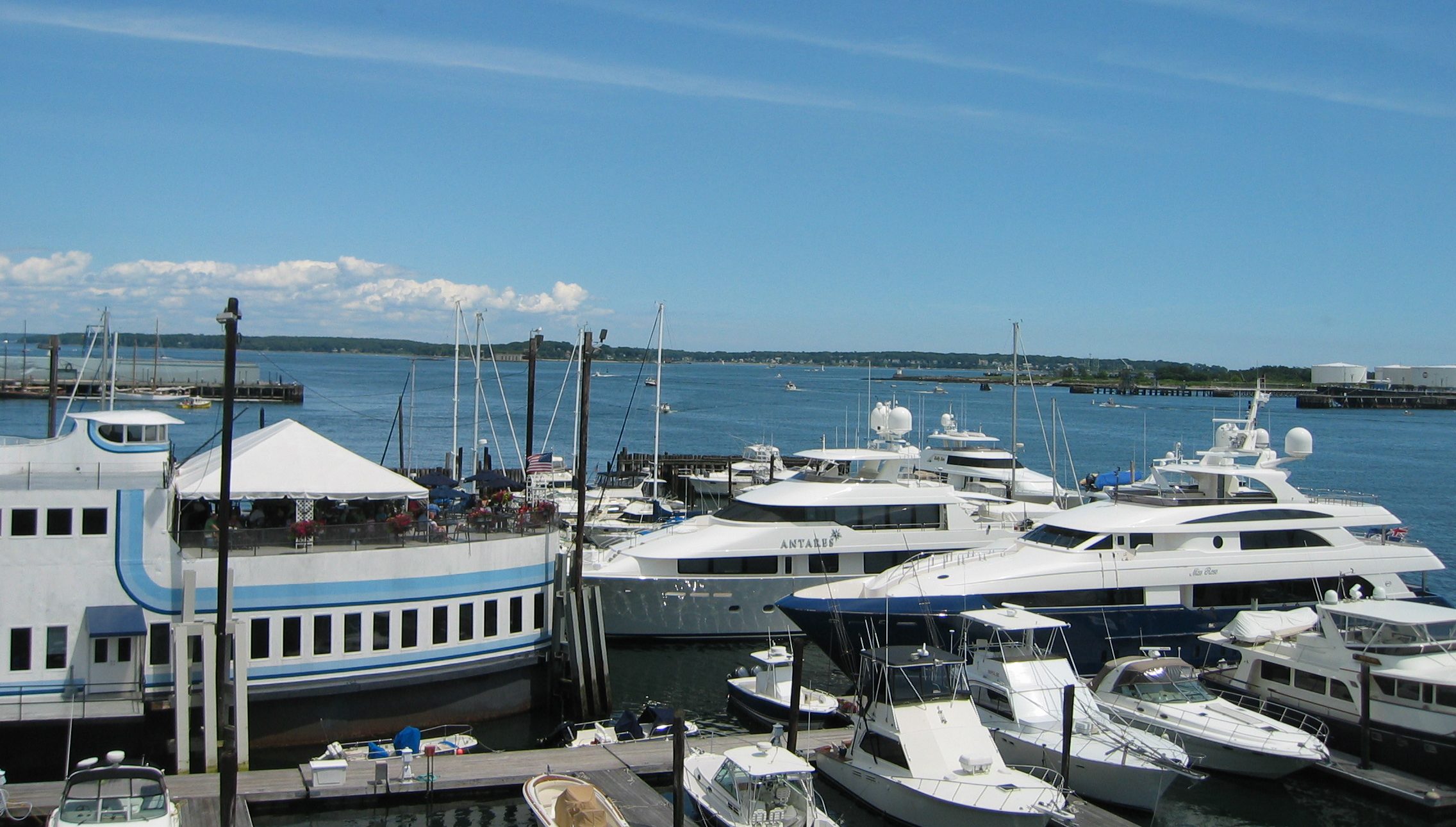
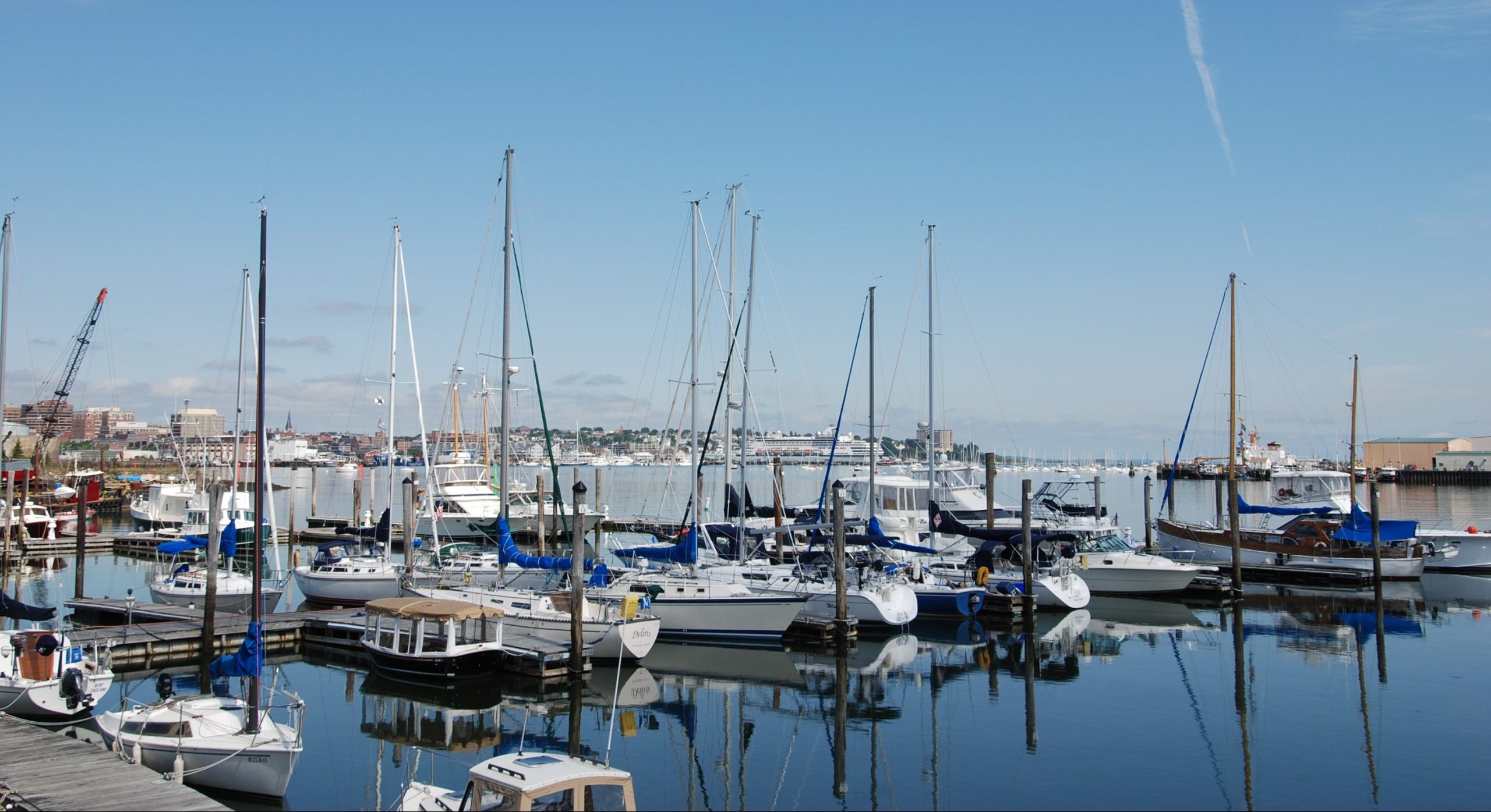
Portland is Maine’s largest city and its cultural heart — but it’s still a walkable, human-scale place. The Old Port, the arts district, the restaurant scene, and the waterfront give it an energy that surprises people who expect a sleepy New England town. The surrounding communities — South Portland, Falmouth, Cape Elizabeth, Scarborough, Yarmouth, Cumberland — offer a range of lifestyles from suburban to rural, all within 20–30 minutes of downtown.

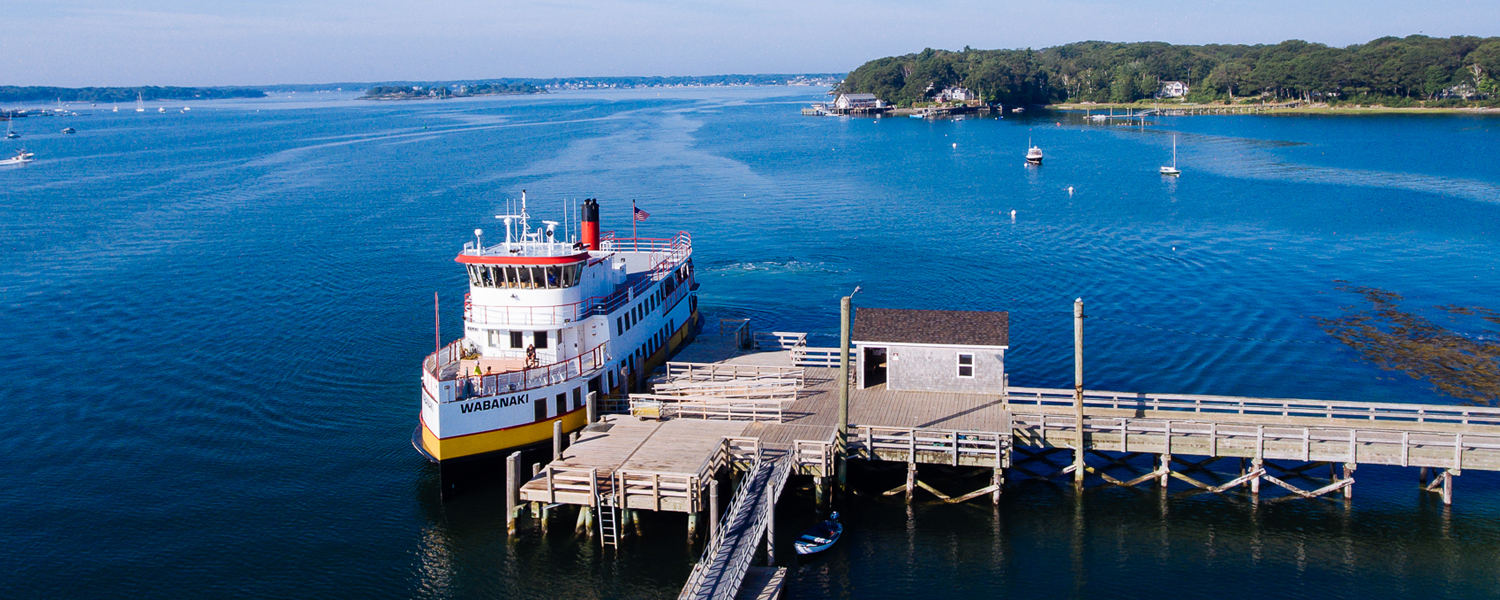
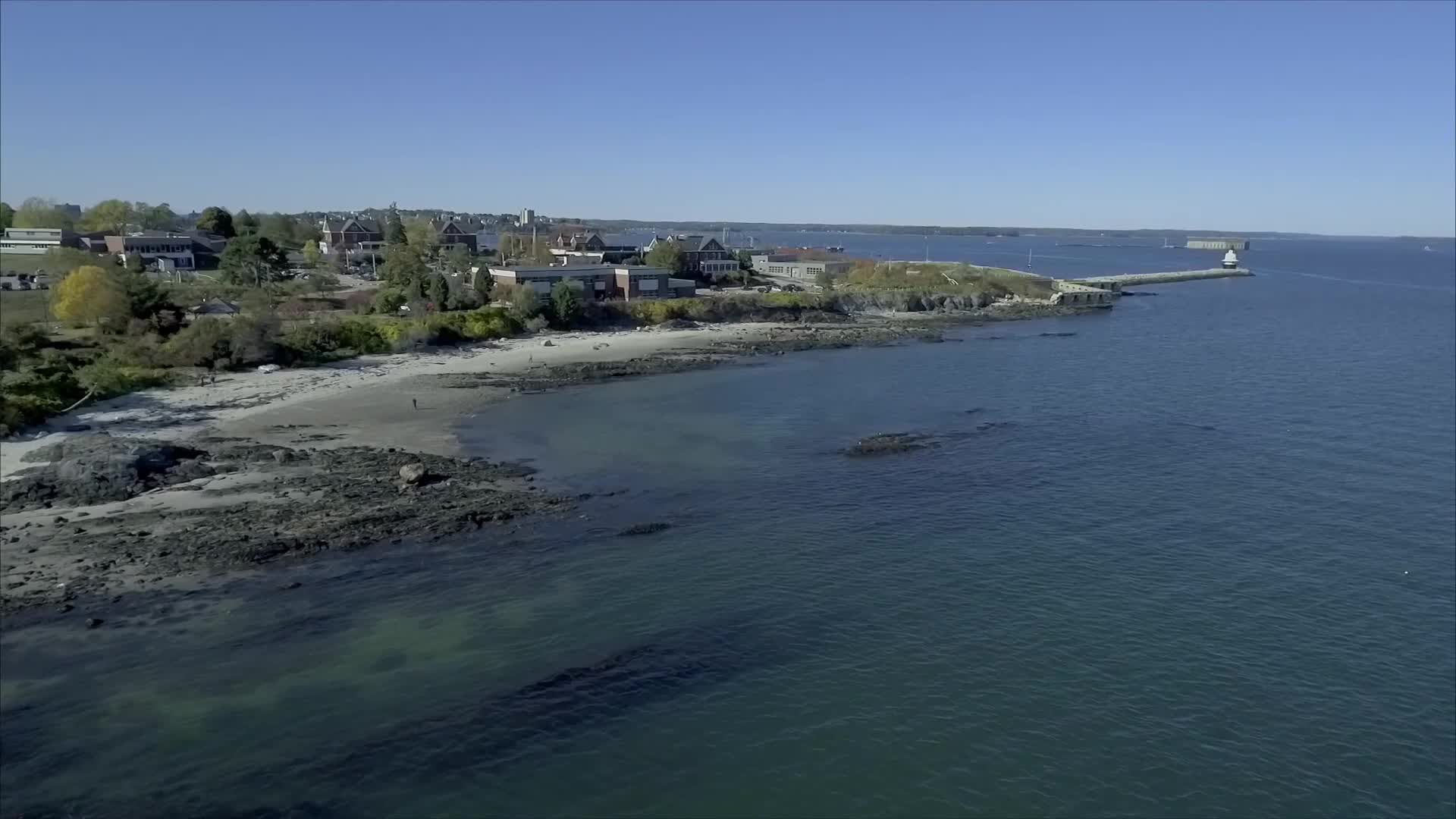
It depends on your priorities. For walkability and urban energy: Portland’s West End, Munjoy Hill, and East Deering neighborhoods. For top-rated schools and more space: Falmouth, Yarmouth, Cumberland, and Cape Elizabeth. For coastal living: Cape Elizabeth, Scarborough, and Old Orchard Beach. For a quieter, small-town feel with easy access: Gorham, Windham, and the Sebago Lakes region. For waterfront and island life: Harpswell and the Casco Bay islands.

Portland is approximately 100 miles from Boston — about 90 minutes by car under normal conditions, or you can take the Amtrak Downeaster, which runs daily between Portland and Boston’s North Station. This makes Maine genuinely accessible for people with professional ties to Boston who want a different quality of life.

Every family has a different perception of what constitutes a good school and what programs may meet their own children’s needs.  We provide resources for obtaining current school information and statistics. While most state and local websites are useful sources of school information, additional due diligence may be needed.

Buying From Out-of-State

Yes — and we’ve helped many clients do it successfully. We offer virtual tours, video walkthroughs, and FaceTime showings so you can experience properties remotely. We act as your eyes and ears on the ground, flagging details that don’t show up on camera. Many of our out-of-state clients close on homes they’ve only seen virtually, with full confidence because of the thoroughness of our representation.

There’s no universal answer, but for most relocating clients, we recommend at least a brief orientation visit to narrow down communities before committing. If your timeline doesn’t allow that, we can guide you through the decision virtually. If you want flexibility, short-term rentals in Greater Portland are available, though inventory is limited. Renting first gives you time to explore neighborhoods, but in a market with limited inventory, it also means you may be watching homes pass by.

Maine winters are real — plan for snow, cold temperatures, and shorter days from December through March. But Mainers embrace the season rather than endure it: skiing at Sunday River and Sugarloaf is world-class, outdoor recreation continues year-round, and the off-season quiet is part of what makes Maine feel authentic. Homes here are built for winter, and heating costs are a real factor to account for in your budget.

Property taxes vary significantly by community. Portland’s rate differs from Falmouth’s, which differs from Cape Elizabeth’s. We provide detailed property tax information for every community we cover, and our Relocation Guide includes a full breakdown by town. Maine also offers a Homestead Exemption for primary residences that can reduce your taxable value.

Yes. We have a dedicated Relocation Guide covering Greater Portland and Southern Maine — geography, communities, schools, economy, tax rates, arts and culture, and the home buying process. We also offer a Concierge service to help you connect with trusted local resources — contractors, inspectors, attorneys, movers — once you arrive. Our goal is to make your transition to Maine as seamless as possible.

Everything you can imagine is real.

Moving to Maine?
Download Relocation Guide!

Everything you need to know all in one comprehensive report.

Imagine More!