Sometimes it’s a family from Massachusetts that’s tired of spending weekends sitting in traffic. Sometimes it’s a remote worker who realized they can do their job from anywhere and started wondering why they weren’t living somewhere they actually enjoy. Sometimes it’s someone who visited Maine for years, always feeling a little disappointed when it was time to leave.
You don’t move to Maine because you’re looking for more. You move to Maine because you’re trying to figure out what matters.
We hear some version of that story all the time. Eventually, many of those people begin asking the same question:
What is it really like to live in Maine?
The answer is both simple and complicated. Maine offers beautiful coastlines, mountains, lakes, and forests. It offers small towns, strong communities, and a pace of life that often feels different from much of the Northeast. But moving to Maine isn’t really about scenery.It’s about choosing a different relationship with your time.
Why People Are Moving to Maine
For decades, Maine was often seen as a place people visited, retired to, or left. Today, that’s changing.
Remote work has allowed more people to choose where they want to live rather than where they have to live. Families are reevaluating priorities. Professionals are discovering that career success and quality of life don’t have to compete with one another. What attracts people to Maine isn’t usually one thing. It’s a collection of things.
- It’s being able to leave work and be on a hiking trail in fifteen minutes.
- It’s walking into a local coffee shop where people know each other.
- It’s having access to the ocean, mountains, lakes, and forests without needing to plan an entire weekend around it.
- It’s the realization that life doesn’t always have to feel rushed.
Many people arrive thinking they’re moving for the scenery. Most stay because of the lifestyle.
The First Thing That Surprises New Mainers
One of the biggest misconceptions about Maine is that it’s all the same. It isn’t.
Living in Portland feels different than living in Camden. Camden feels different than Bethel. Bethel feels different than Presque Isle. In many states, communities can blend together. In Maine, every region seems to have its own personality. That’s why choosing the right town often matters more than choosing the right house.
Southern Maine: The Gateway for Many Newcomers
For many people relocating from Greater Boston, Southern Maine becomes the natural starting point. Portland often receives most of the attention, and for good reason. It’s Maine’s largest city and its cultural center — but it’s still a walkable, human-scale place. The Old Port, the restaurant scene, the arts district, and the working waterfront give it an energy that genuinely surprises people who arrive expecting a quiet New England town. There are neighborhoods here with real personality: the West End‘s tree-lined streets and Victorian architecture, Munjoy Hill‘s views and independent spirit, the quieter rhythms of Deering and Woodfords.
What surprises many newcomers, however, is how quickly the landscape changes once you leave Portland — and how many different versions of Southern Maine are available to you.
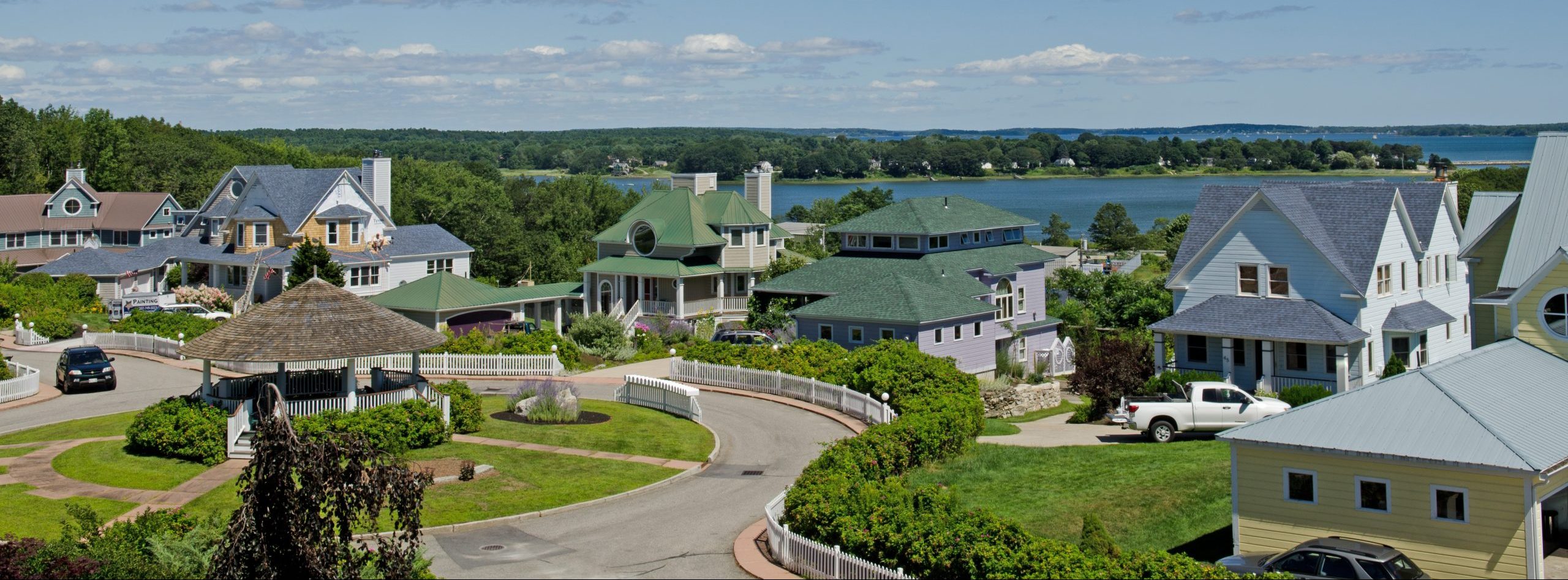
Scarborough offers beaches, marshlands, and a community that balances suburban convenience with genuine outdoor access. Cape Elizabeth feels unhurried despite being minutes from downtown Portland, with some of the most beautiful coastal scenery in the state. Falmouth, Yarmouth, and Cumberland tend to draw families who prioritize strong schools and more space without sacrificing proximity to Portland. Freeport is known nationally for L.L. Bean, but people who live there know it as a town with a real main street and a strong sense of place. Gorham and Windham offer quiet, more affordable living with easy access to Sebago Lake.
And then there’s the Sebago Lakes region itself — often overlooked by buyers who assume Maine’s lake country begins farther north. Sebago Lake is the second largest lake in Maine, clean and deep, ringed by communities that attract both year-round residents and seasonal buyers. For families or remote workers who want water access without coastal pricing, it deserves serious consideration.
One of the reasons Southern Maine continues attracting newcomers is that it offers something many people feel they’ve lost elsewhere: genuine choice. You can live near the ocean. You can live on acreage. You can live in a walkable downtown. You can live within twenty minutes of Portland without living in Portland. For many buyers, that flexibility is the entire point.
- You can live near the ocean.
- You can live on acreage.
- You can live in a walkable downtown.
- You can live near Portland without necessarily living in Portland.
For many buyers, that flexibility becomes incredibly appealing.
Midcoast Maine: The Maine People Imagine
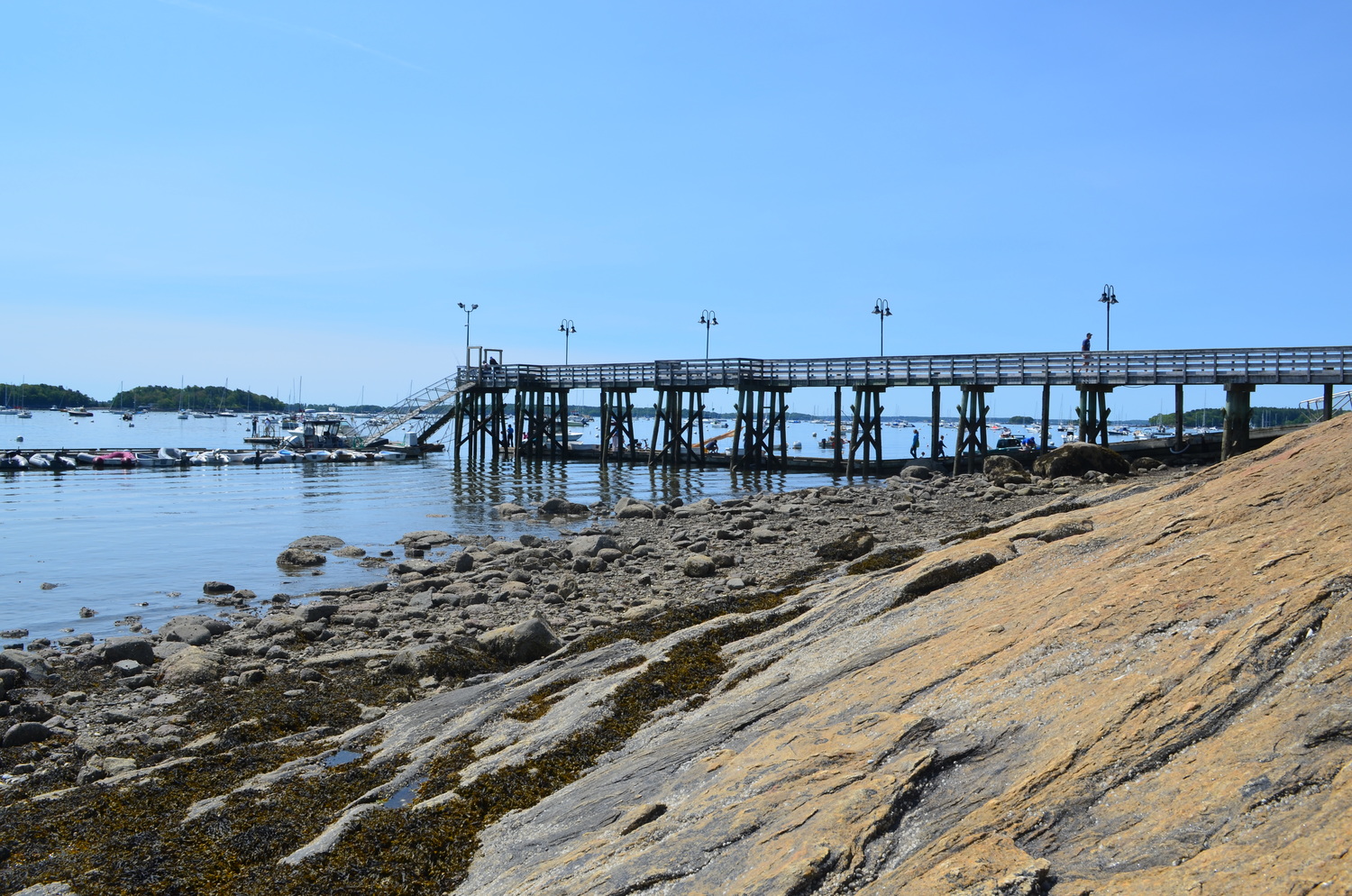
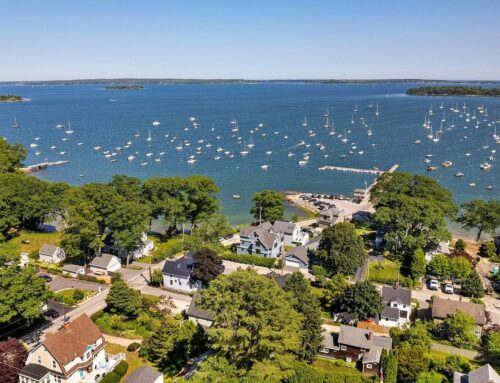
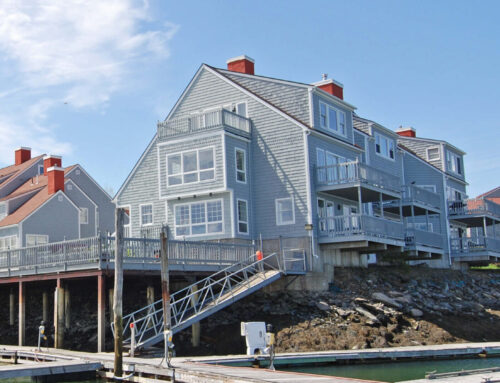
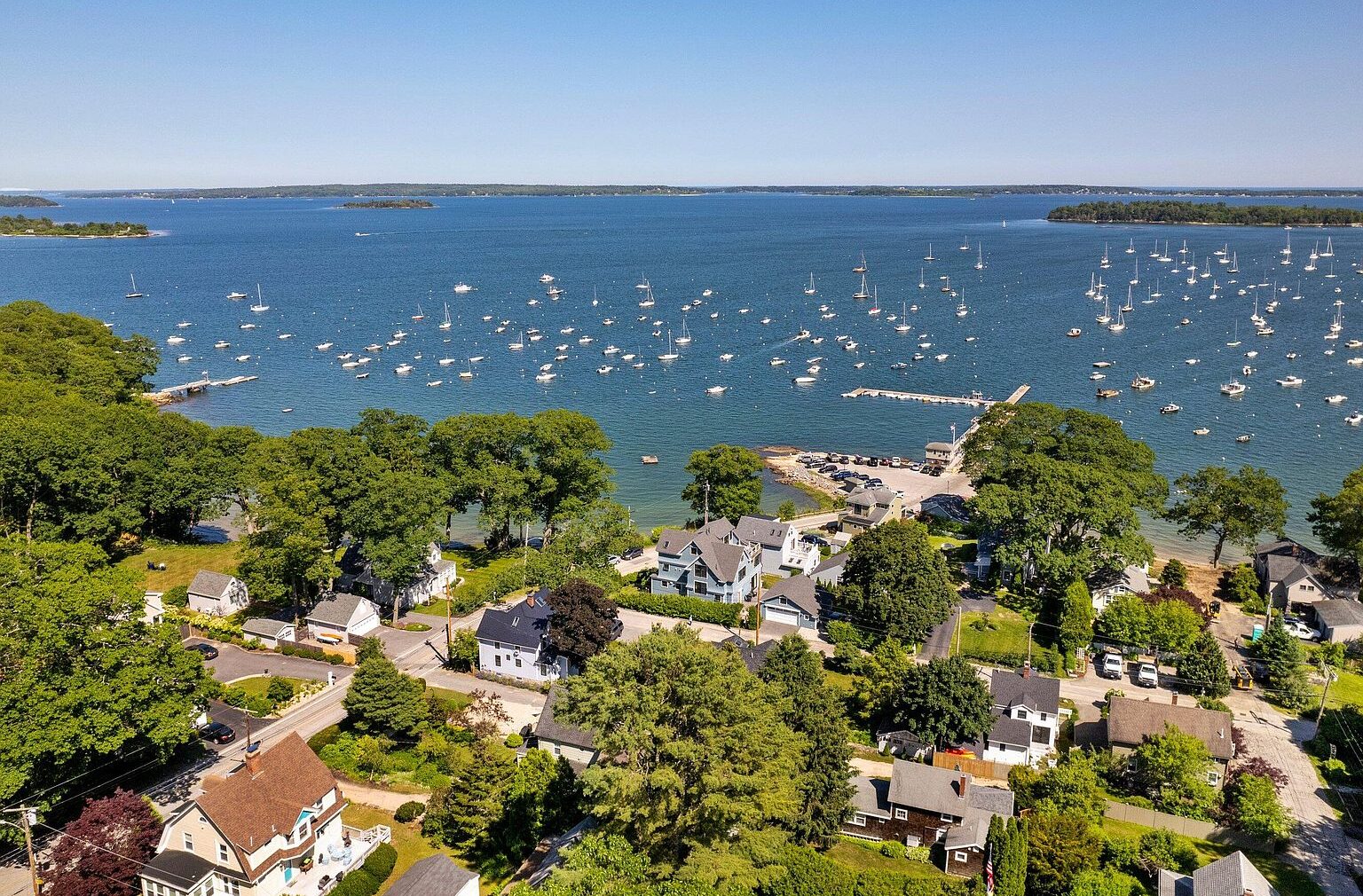
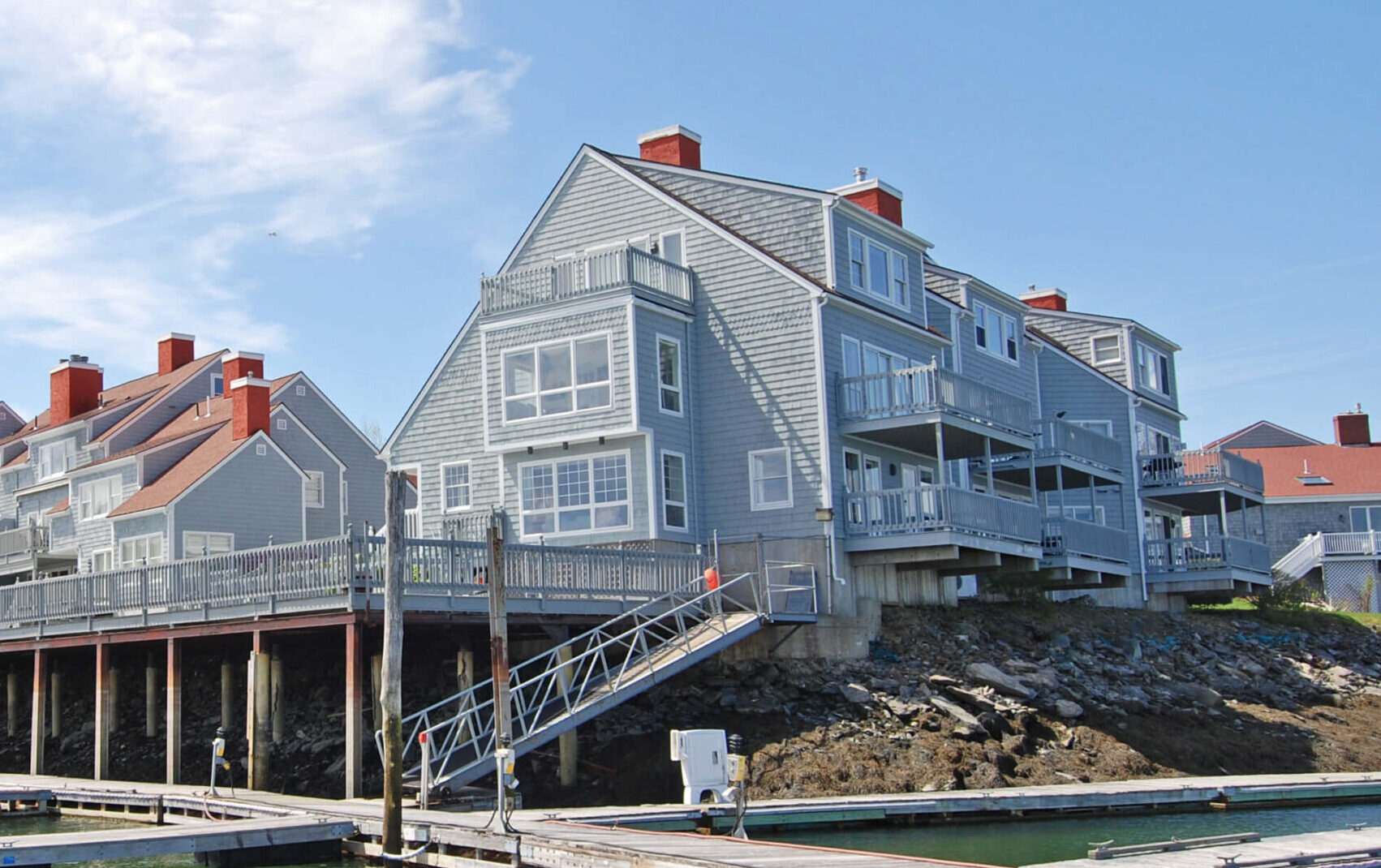
If you’ve ever pictured a classic Maine harbor — lobster boats, working waterfronts, weathered shingles, the smell of salt air — there’s a good chance you were imagining Midcoast Maine. It’s the region that most closely matches what people carry in their heads when they first start thinking about moving here.
Camden is the town that often stops people in their tracks. The harbor, the hills behind it, the Main Street that actually functions as a main street — it has a completeness to it that’s hard to articulate and easy to feel. It’s also a real town, not a museum. People live here year-round, raise families here, run businesses here.
Belfast has been discovering itself for the past decade. Once a working-class mill town, it’s developed a creative, independent character without losing its texture. There’s a food co-op, a thriving arts community, genuinely good restaurants, and the kind of waterfront that makes people slow down without being told to.
Rockland has emerged as one of the more interesting small cities on the Maine coast. The Farnsworth Art Museum — which holds one of the most significant Wyeth collections in the country — would be remarkable in any city. In a town of 7,000 people, it feels like a statement about what a place can decide to be. Rockland has that feeling broadly. It’s gritty and ambitious at the same time.
Damariscotta sits at the head of a tidal river, surrounded by working farms and oyster operations that have made it one of the better-known food destinations in the region. The downtown is small but coherent. Bath, anchored by the history of Bath Iron Works, feels like a real working city with a river at its center and neighborhoods that have quietly become attractive to buyers priced out of Portland.
The honest word about Midcoast is that life here asks something of you. It’s not suburban. It’s not plugged-in in the way Portland is. The pace is different. Winters are quieter. But for the buyers who are genuinely drawn to it — and there are many — it ends up feeling less like a compromise and more like the whole point.
Western Maine: Where the Mountains Take Over
Western Maine appeals to a different kind of buyer. Not better or worse — different. These are often people who have already thought through what they’re looking for and arrived at an answer that involves mountains, seasons, and space.
The Sunday River and Sugarloaf corridors draw skiers who eventually realize they’d rather stop driving to the mountain and simply live near it. But the appeal of Western Maine isn’t limited to winter. The hiking, the fishing, the absence of crowds, the long views — these hold up across all four seasons in a way that genuinely surprises people who initially came for the snow.
Bethel is the community that comes up most often in these conversations. It’s a real town with a strong identity — not a resort development pretending to be a community. There’s a working downtown, a hospital, a school system, and a surrounding landscape that shifts from September foliage to November stillness to the kind of deep winter quiet that some people spend their whole lives looking for without knowing that’s what they want.
The Rangeley Lakes region occupies its own category. It’s remote — genuinely remote — but it has a devoted following for a reason. The lakes are extraordinary. The fishing is extraordinary. The light at certain times of year is extraordinary. For buyers who have truly committed to a different pace of life, it offers something that’s increasingly difficult to find: space that hasn’t been managed or curated or monetized. It simply exists, and you can be part of it.
Life in Western Maine revolves around the seasons in a way that’s more literal than figurative. Winter isn’t something to survive. It’s something to participate in — and that distinction matters more than it might sound.
Downeast Maine: Beauty on a Different Scale
The farther east you travel along the Maine coast, the more the state begins to reveal a version of itself that most visitors never see. The crowds thin. The shoreline becomes wilder. The light changes. There’s a particular quality to Downeast Maine that’s hard to describe without sounding like you’re overselling it, except that people who have spent time there tend to reach for the same words: elemental, unhurried, real.
The anchor of the region is Acadia National Park, which draws millions of visitors to Bar Harbor each year — but the visitors largely concentrate in one place, which means the surrounding area retains a quiet that’s rare for a nationally recognized destination. Ellsworth functions as the region’s practical hub: groceries, medical care, box stores, the things that make daily life function. From Ellsworth, you’re genuinely close to one of the most spectacular natural environments in the eastern United States.
Beyond the park’s orbit, communities like Blue Hill, Castine, and Stonington offer the kind of specificity that rewards attention. Blue Hill has a classical music festival, a strong arts presence, and a summer population that includes a surprising number of writers and artists who discovered it decades ago and never entirely left. Castine is home to the Maine Maritime Academy and has a formal, almost Federal-era quality to its architecture and streetscape that sets it apart from anything else in Maine. Stonington, at the southern tip of Deer Isle, is one of the last working fishing communities of its kind in New England — the kind of place where the economy is still organized around the water in a way that’s become historically rare.
The honest caveat about Downeast is distance. It’s a long drive from Portland, and it’s a long drive from most things. Services are thinner. Winters are serious. For some buyers, that’s disqualifying. For others, it’s precisely the point — and those buyers, once they’ve found their place here, tend not to leave.
What People Often Get Wrong About Maine
Most people moving to Maine worry about winter. That’s understandable. But winter is rarely the reason people struggle with a move. The bigger challenge is adjusting expectations. People sometimes assume Maine will instantly solve every problem in their life.
- No place can do that.
- Maine still has traffic.
- Maine still has housing challenges.
- Maine still has difficult weather.
- What Maine offers is something different.
It offers an opportunity to build a life that feels more connected to community, nature, and the things many people discover they’ve been missing.
The Coast Isn’t Always the Answer
This may surprise some people. Many buyers begin their search convinced they need to live directly on the coast. Then they arrive. They explore communities. They learn about seasonal traffic, housing costs, weather exposure, and daily logistics.
Eventually, many discover that being fifteen or twenty minutes from the coast provides nearly all the benefits with fewer compromises.
Some of our happiest clients don’t live on the water. They simply live close enough to enjoy it whenever they want.
The Maine Lifestyle
People often ask us what the “Maine lifestyle” means. The truth is that it’s difficult to define. It’s not about lobster. It’s not about lighthouses. It’s not even about outdoor recreation. At its core, it’s about participation. People participate in their communities.
- They support local businesses.
- They volunteer.
- They attend town events.
- They know their neighbors.
The strongest communities in Maine aren’t built by amenities. They’re built by people showing up. That’s something many newcomers notice almost immediately.
Four Questions to Ask Before Moving to Maine
Before choosing a town, ask yourself:
- Do I want to be near the coast, mountains, or somewhere in between?
- How important is access to restaurants, shopping, and cultural activities?
- Am I looking for community, privacy, or a balance of both?
- What does my ideal day actually look like?
That last question is often the most important. Because choosing the right Maine town starts with understanding the life you’re trying to create.
What We Wish Every New Mainer Knew
We wish people understood that Maine isn’t simply a place to live. It’s a place to participate. The people who thrive here aren’t necessarily those who buy the biggest house or find the perfect view.
- They’re the people who embrace the seasons.
- They join local organizations.
- They learn the rhythm of their community.
- They spend time outside.
- They support local businesses.
- They become part of the place rather than simply living in it.
Final Thoughts
Moving to Maine is a practical decision. It’s also a deeply personal one.
- The home matters.
- The budget matters.
- The location matters.
But the most successful moves happen when people choose Maine for the right reasons. Not because it’s perfect. Not because it’s easy. But because it offers something increasingly rare.
A chance to build a life around things that matter. And for many people, that’s exactly what they’ve been searching for all along.
Frequently Asked Questions About Moving to Maine
Starting a Conversation
If any of this has started to feel less like reading and more like recognizing something, that’s probably worth paying attention to. The next step doesn’t have to be complicated. A conversation with someone who knows this market — who can help you think through the right region, the right community, the right timing — costs nothing and tends to clarify more than you’d expect. We’ve been having that conversation with people for over twenty years. When you’re ready, we’re easy to find.
Moving to Maine?
About the Author: Michael